
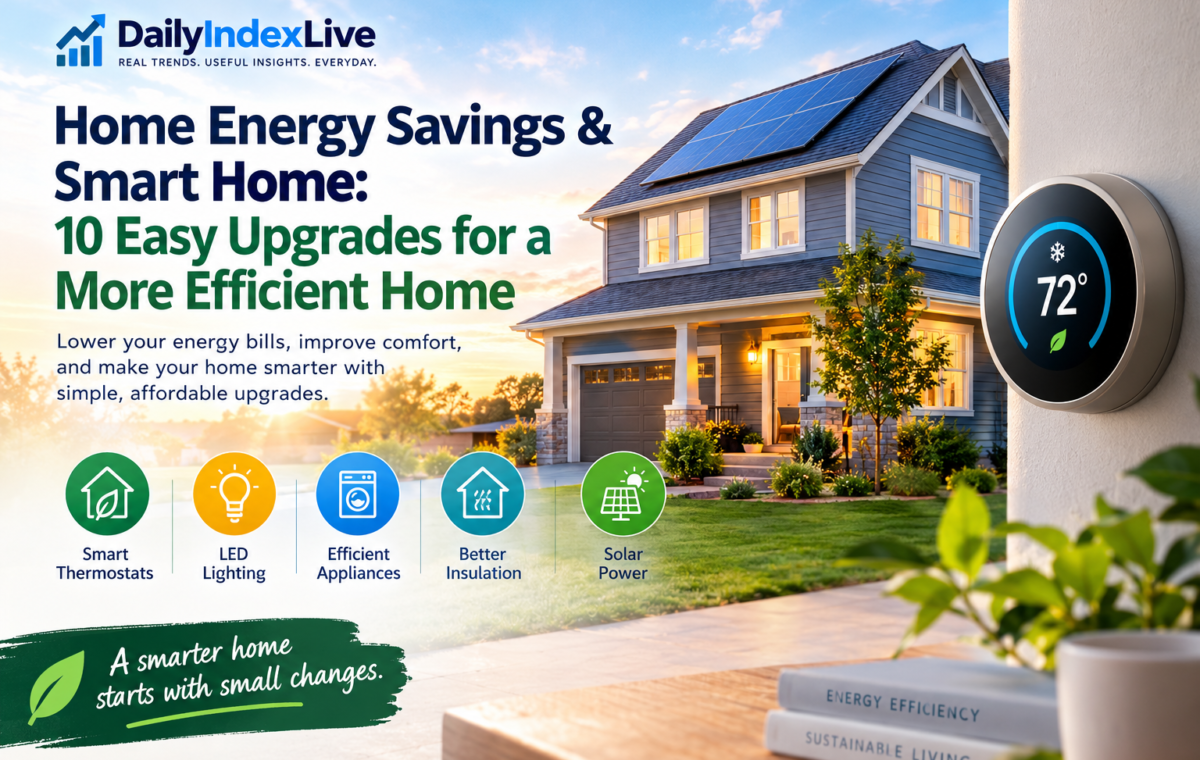
Home Energy Savings & Smart Home: 10 Easy Upgrades for a More Efficient Home
Energy bills have a way of creeping up, especially during the hottest summer months and the coldest days of winter. The good news is that making your home more energy-efficient doesn’t always require expensive renovations or a complete overhaul of your heating and cooling system. Sometimes, a few practical changes can make a noticeable difference.
From installing a smart thermostat to sealing drafty windows, there are plenty of ways to use less energy while keeping your home comfortable. Smart home technology can also help you understand how your household uses electricity and where you might be wasting it.
If you’re looking for practical ways to manage your monthly utility costs, here are 10 home energy-saving upgrades worth considering.
Why Home Energy Efficiency Matters
Your home uses energy for heating, cooling, lighting, water heating, cooking, laundry, and everyday electronics. When your home has air leaks, poor insulation, or outdated equipment, it may take more energy to maintain a comfortable temperature.
Improving energy efficiency can help you:
- Reduce unnecessary electricity and heating fuel use.
- Make indoor temperatures more consistent.
- Improve comfort in rooms that feel too hot or too cold.
- Reduce energy waste when nobody is home.
- Make more informed decisions about future home improvements.
The best place to start depends on your home, your local climate, your utility rates, and the equipment you already have.
1. Install a Smart Thermostat
Heating and cooling account for a substantial share of energy use in many American homes. A smart thermostat can help manage that demand by adjusting temperatures according to your schedule and preferences.
For example, you could set your thermostat to use less heating or cooling while everyone is at work or school, then return to a comfortable setting before you arrive home. Depending on the model, you may also be able to control settings through a smartphone app.
Before buying one, check whether the thermostat is compatible with your HVAC system. Some homes may need a compatible wiring setup or professional installation.
Practical tip: Start by reviewing your current temperature settings and creating a schedule that matches your actual routine. You may not need a new device to make your existing system more efficient.
2. Replace Traditional Bulbs With LED Lighting
Lighting is one of the simpler places to reduce household electricity use. LED bulbs generally use at least 75% less energy than traditional incandescent bulbs and can last considerably longer.
You don’t have to replace every bulb in your home at once. Start with lights you use frequently, such as kitchen fixtures, living room lamps, porch lights, and hallway lighting.
When shopping for LEDs, check the brightness, color temperature, and fixture compatibility. A warm-white bulb may feel more comfortable in a bedroom, while a brighter, cooler option may suit a workspace.
Practical tip: Turn off lights when you leave a room, and consider motion sensors or timers for areas where lights are often left on accidentally.
3. Choose Energy-Efficient Appliances
Refrigerators, washing machines, dryers, dishwashers, and other household appliances can contribute significantly to your overall energy use.
If you’re replacing an older appliance, compare models rather than choosing based on purchase price alone. The yellow EnergyGuide label can help you estimate annual energy consumption and compare similar products. ENERGY STAR-certified models meet applicable efficiency criteria for their product category.
Also consider how you use your appliances. Washing clothes in cold water when appropriate, running full dishwasher loads, and cleaning dryer lint filters can help reduce unnecessary energy use.
Practical tip: Look at estimated yearly operating costs alongside the upfront price to make a more informed purchase.
4. Seal Drafts Around Windows and Doors
Have you ever noticed cold air near a window in winter or warm air entering around a door in summer? Small gaps can allow conditioned air to escape and outdoor air to enter.
Inspect the edges of exterior doors, window frames, and other openings. Weatherstripping can help seal moving parts, while suitable caulk can close small stationary gaps.
For larger air leaks, damaged frames, or persistent moisture problems, a professional inspection may be worthwhile. Always follow product instructions and avoid blocking required ventilation or combustion-air openings.
Practical tip: On a windy day, check for noticeable drafts around closed doors and windows. Addressing the most obvious leaks can be a sensible first step.
5. Improve Attic and Wall Insulation
Insulation helps slow the movement of heat between your home and the outdoors. In winter, it helps retain indoor warmth; in summer, it helps limit unwanted heat entering your living space.
Attics are often a useful place to start because inadequate attic insulation can contribute to heat loss and uneven indoor temperatures. However, the right amount of insulation depends on your climate zone, the existing materials, and your home’s construction.
Air sealing and insulation work best when planned together. If you suspect inadequate insulation, consider an energy assessment before investing in a major project.
Practical tip: Check for obvious gaps or uneven insulation in accessible areas, but leave hazardous materials and complex insulation work to qualified professionals.
6. Use Smart Plugs to Manage Certain Electronics
Some electronics continue drawing power when they’re switched off but remain plugged in. This is often called standby or idle power consumption.
Smart plugs can let you schedule compatible lamps, chargers, and other devices to switch off automatically. Some models also report energy use, helping you identify which connected devices consume the most electricity.
Not every appliance should be connected to a smart plug. Avoid using ordinary smart plugs with equipment that exceeds their electrical ratings or requires continuous power, such as certain medical devices, refrigerators, and essential networking equipment.
Practical tip: Start with a desk lamp or entertainment accessory that doesn’t need to run around the clock.
7. Adjust Your Water Heating Habits
Water heating can be another meaningful source of household energy use. Simple habits can help, especially in homes with frequent laundry, showers, and hot-water use.
Consider washing clothes in cold water when suitable, fixing dripping hot-water taps, and installing efficient showerheads where appropriate. Check your water heater’s recommended settings and the manufacturer’s safety guidance before making adjustments.
If your water heater is old, compare the long-term operating costs of replacement options, including heat pump water heaters where suitable for your home and climate.
Practical tip: Repair hot-water leaks promptly. Even a small problem can waste water and energy over time.
8. Make Better Use of Window Coverings
Sunlight can warm a room naturally, but unwanted solar heat can also make air conditioning work harder. The effect depends on your window orientation, climate, glazing, and the time of year.
During colder months, opening curtains on sunny windows may help bring in warmth. At night, closing them can reduce heat loss through some windows. In hot weather, blinds, curtains, or exterior shading can help limit direct sunlight and unwanted heat gain.
If you’re planning to replace windows, compare the energy performance ratings that are appropriate for your local climate rather than relying on appearance alone.
Practical tip: Pay attention to the rooms that receive strong afternoon sunlight. Managing heat in those spaces may improve comfort during summer.
9. Consider Solar Panels After Reviewing Your Energy Use
Solar panels can generate electricity from sunlight and may reduce the amount of power you purchase from your utility. However, the financial benefits vary considerably.
Your roof’s condition, shading, location, utility rates, available incentives, installation costs, and local rules all affect whether solar makes sense for your household.
Before requesting installation quotes, review your electricity bills to understand your typical consumption. Compare proposals carefully, including estimated annual production, equipment warranties, financing terms, and any utility compensation rules for excess electricity.
Practical tip: Fix major efficiency problems first when practical. Reducing energy waste can help you better understand the size of a solar system your home might need.
10. Track Your Energy Use and Build Better Habits
Smart home devices are most useful when they help you make better decisions. A smart thermostat, compatible energy monitor, or utility-provided usage dashboard may reveal when your household uses the most electricity.
Look for patterns rather than focusing on a single day’s reading. For example, compare usage on similar-weather days, check whether heating or cooling runs unusually often, and look for changes after introducing a new appliance.
You can also build simple habits into your daily routine:
- Turn off unnecessary lights and electronics.
- Use efficient settings on compatible appliances.
- Replace HVAC filters according to the manufacturer’s recommendations.
- Keep heating and cooling vents clear.
- Review utility bills for unusual increases.
- Schedule maintenance when your equipment needs it.
Small changes work best when they become part of your normal routine.
Which Home Energy Upgrades Should You Do First?
You don’t need to tackle every project at once. A sensible starting point is to focus on changes that are affordable, easy to maintain, and relevant to your home’s biggest energy expenses.
For many households, that means starting with LED bulbs, draft sealing, thermostat scheduling, and more efficient appliance habits. If your bills remain unusually high or some rooms are consistently uncomfortable, a professional home energy assessment may help identify the underlying problem.
The U.S. Department of Energy provides guidance on home energy assessments, insulation, air sealing, heating and cooling, and other efficiency improvements. Your local utility may also offer energy audits, rebates, or other assistance, depending on your service area and current programs.
Final Thoughts
A more energy-efficient home doesn’t have to start with an expensive renovation. Replacing frequently used incandescent bulbs, sealing air leaks, adjusting thermostat settings, and choosing efficient appliances can all be useful steps toward reducing wasted energy.
Smart home technology can make those improvements easier to manage by helping you automate schedules and understand your energy use. The key is to choose upgrades that fit your home, budget, and everyday routine.
Start with one or two practical changes, monitor your utility bills over time, and build from there. With a little planning, you can work toward a home that’s more comfortable, more efficient, and easier to manage throughout the year.
Editorial note: Energy savings vary by home, climate, utility rates, equipment, and household habits. No particular reduction in utility bills is guaranteed.
Frequently Asked Questions
What is the easiest way to save energy at home?
Start by turning off unnecessary lights, replacing frequently used incandescent bulbs with LEDs, sealing obvious drafts, and adjusting heating and cooling schedules. The best first step depends on where your home currently wastes the most energy.
Do smart thermostats really help lower energy bills?
They can help by adjusting temperatures to match your schedule and reducing unnecessary heating or cooling. Actual savings depend on your existing thermostat habits, HVAC system, climate, and the settings you choose.
Are energy-efficient appliances worth the extra cost?
They may be, especially if you use them frequently and your current appliance consumes a lot of energy. Compare estimated annual operating costs, purchase price, expected lifespan, and available rebates before deciding.
How can I tell if my home needs more insulation?
Uneven room temperatures, drafts, and high heating or cooling demand can be clues, although they may have other causes. An energy assessment can help determine whether insulation, air sealing, equipment maintenance, or another improvement is appropriate.
Are solar panels worth it for every home?
No. Solar economics depend on factors such as roof suitability, sunlight, installation costs, financing, electricity prices, and local utility policies. Compare current quotes and assumptions before committing.
Where can I find reliable information about home energy savings?
The U.S. Department of Energy, ENERGY STAR, and your local utility are useful starting points for practical guidance, product efficiency information, and programs that may be available in your area.
Leave a Reply